
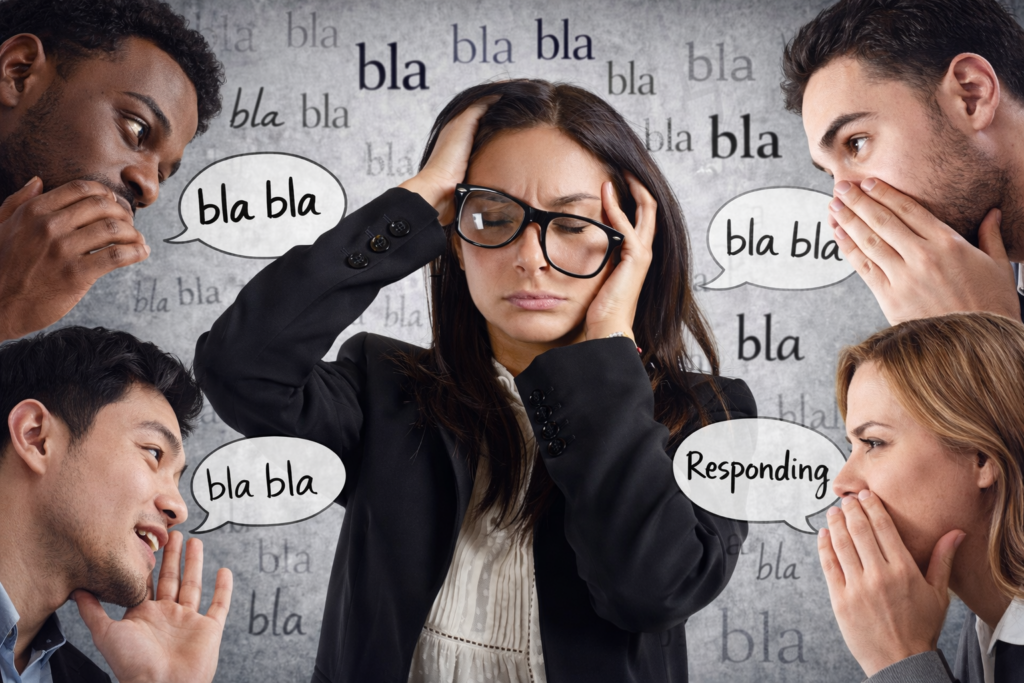
Have you ever said something in the moment and later thought,
“Why did I say that?”
Or made a quick choice when you were upset and wished you could take it back?
You’re not alone. We all do this sometimes.
But there’s something powerful you can learn that can change your relationships, your stress, and how you feel day to day:
The difference between reacting and responding.
What’s the Difference?
Reacting is quick and automatic.
It happens fast when you feel angry, hurt, or stressed.
It’s like your emotions take over before you can think.
Responding is slower and more thoughtful.
It means you pause, think, and choose how you want to act.
Let’s make it simple
Reacting:
Someone says something that upsets you.
You snap back right away.
Later… you regret it.
Responding:
Someone says something that upsets you.
You feel it—but you pause.
You take a breath.
You choose your words carefully.
You feel more in control.
Why Do We React?
Your brain is trying to protect you.
When something feels like a threat, even a tone, a message, or a look, your brain goes into survival mode.
This can cause you to:
-
Fight (argue or snap)
-
Run (shut down or avoid)
-
Freeze (say nothing but feel overwhelmed)
This is helpful in danger…
but not helpful in everyday situations.
Reacting = survival mode
Responding = calm, intentional living
How to Start Responding Instead
You don’t need to be perfect. Just start small.
1. Pause and Breathe
Before you speak or respond, pause.
Take one deep breath.
That small moment helps your mind slow down.
2. Name Your Feeling
Ask yourself:
“What am I feeling right now?”
Is it anger? Hurt? Frustration?
Naming it helps calm your body.
3. Choose How You Want to Show Up
Ask yourself:
“How do I want to respond?”
“What would I feel good about later?”
This helps you act with intention—not emotion.
A Real Reminder
You’re not going to get this right every time.
Sometimes you will react—and that’s okay.
What matters is noticing it and trying again next time.
Growth is not about being perfect.
It’s about being aware.
Try This This
When something triggers you, pause and ask:
“Am I reacting… or responding?”
That one question can change everything.
Final Thoughts
Every time you choose to respond instead of react:
-
You build self-control
-
You build stronger relationships
-
You build trust in yourself
And over time, it gets easier.
You Don’t Have to Do This Alone
If this spoke to you, you’re not alone, and you don’t have to figure it all out by yourself.
Join our Connective Counseling community for support, tools, and real conversations that help you grow.
Join the community here: Connective Community
Let’s grow together, one intentional step at a time